

Today, as September begins and just after returning from a trip to Bhutan—where I took part in a panel and facilitated two workshops at the Bhutan Regenerative Forum—I felt moved to write about this.
I have always been fascinated by the way people understand and make sense of the world. Over time, I’ve come to realise that our worldview, culture and mindset—although distinct—are profoundly intertwined.
Worldview is how we understand life and the universe. It’s that shared set of values, beliefs and ethics that helps us interpret what happens around us.
Culture emerges from that worldview. It shapes our traditions, customs and institutions. It includes what we think, what we do and what we produce—from family gatherings to economic practices—reflecting what we value most.
Mindset is more personal. It’s our unique perspective, shaped not only by culture and worldview but also by our lived experiences and the narratives we absorb. If, for example, we grow up being told that the world is scarce and competitive, and on top of that we’ve experienced betrayal at work or in business, we may come to believe that distrust and competition are the only way forward.
These concepts inevitably overlap. To me, they are not separate—they are threads of the same tapestry.
My search for “something different”
Looking back, I see that my path was shaped by a deep curiosity about other worldviews. That curiosity is what pushed me to travel far away from my country.
Growing up in Spain, in my surroundings I often felt weighed down by individualism, negativity and a lack of appreciation for what we had. Something inside me told me there must be another way of living. I longed to find something that, in some way, I felt we had forgotten. So I went searching.
Travelling and living abroad—especially the eight years I spent in Mexico—gave me glimpses of what I was missing: gratitude, spirituality, connection with nature, reciprocity and community. In time, I came to understand these were not isolated “ingredients” but parts of a recipe for happiness and belonging.
That said, the recipe is never the same everywhere. In Mexico it might be served as tacos; in Spain, as tortilla de patatas; in the UK, as a Sunday roast. The common ingredient is love. And love, in my view, lies at the heart of regeneration.

Photo by Maksim Shutov on Unsplash
Regeneration in context
The regenerative paradigm (yes, another big word) invites us to look holistically at what makes life thrive. Nature’s principles are universal, but how we understand and practise them depends on our culture and worldview. That’s why global formulas don’t work. A tortilla de patatas will not open a Mexican’s heart.
When I returned to Europe, I worried that regeneration might be met with scepticism. And indeed, in some spaces it is: there are people—and also forces that do not want to lose their position of power—who demand scientific evidence, impact measurement, and who question the need to transform the status quo. But I also found something hopeful: a growing hunger for reconnection—with nature, with ancestral wisdom, with something deeper and more meaningful. A renewed trust in intuition and in our roots.
And so, an important question arises: how do we communicate regeneration across cultures?
What I’ve observed across cultures
From my experiences in Latin America, Spain, English-speaking countries, and more recently Bhutan, I’ve noticed some broad differences. (Disclaimer: these are generalisations—of course, there are many exceptions.)
1. Spanish-speaking: Latin America
Here, regeneration often springs from a worldview closely tied to indigenous wisdom. Nature and spirituality go hand in hand. There is great depth and a genuine interest in exploring concepts, philosophies and ways of living without the need of achieving a fixed goal. What matters is the journey, not the destination. The exploration of being.
There are pioneers and beautiful projects across this part of the world, though many remain little known outside Latin America—partly because English dominates global conversations, and partly because of the cultural modesty that often defines us.
Are there exceptions? Of course. Latin America is a cultural melting pot, often shaped by colonisation.
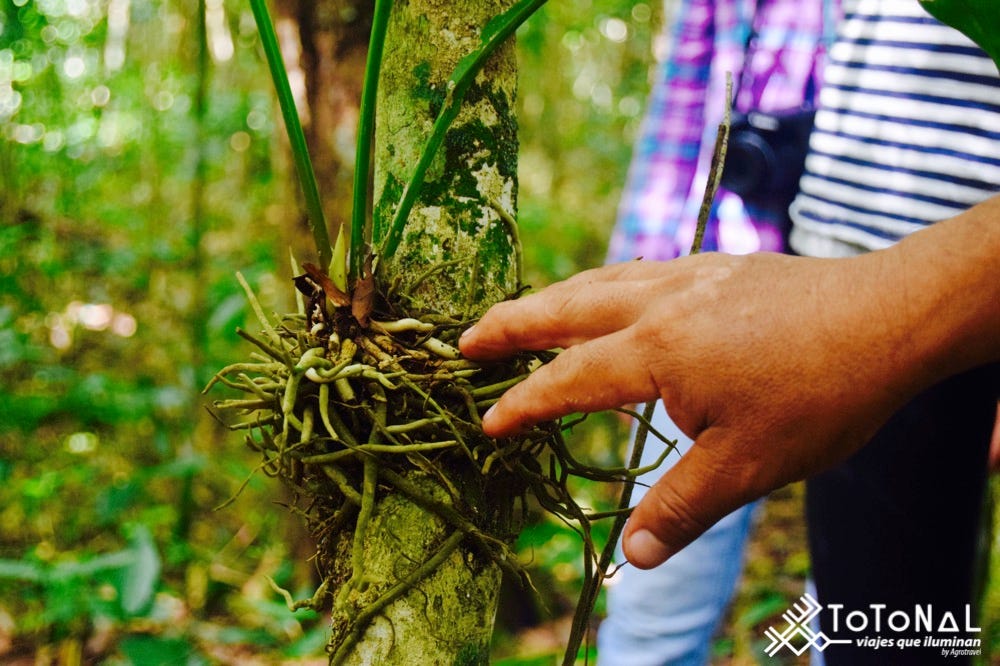
Photo by Totonal Viajes, Mexico
2. The English-Speaking World (US, UK)
Here I notice a strong sense of practicality. Conversations often revolve around clear outcomes or concrete actions. Regeneration tends to be framed through niches: regenerative leadership, regenerative economics, regenerative organisations. Benefits must be well defined.
This doesn’t mean there isn’t depth or holistic thinking—only that it is expressed differently. There is often more theory, and more demand for evidence to back up a point. Thinking and doing are central, though, happily, more and more initiatives are guided by intuition and feeling. Increasingly, people are becoming more confident in showing the world alternative ways of thinking.
One great strength, in my view, is communication. English-speaking cultures—especially in the US—are generally very skilled at presenting, promoting and “selling” ideas with confidence. They know how to reach people. There is much to learn from them in this regard!
3. Spanish-speaking: Spain
Spain feels like an in-between space. We share some of the practicality of the English-speaking world (we often like to know where a conversation is going before engaging, especially with strangers), but we also carry a spiritual thread.
At the same time, we can lack patience. If the language of regeneration sounds too distant or abstract, interest can quickly fade. We also tend to want evidence to back up what is being said.
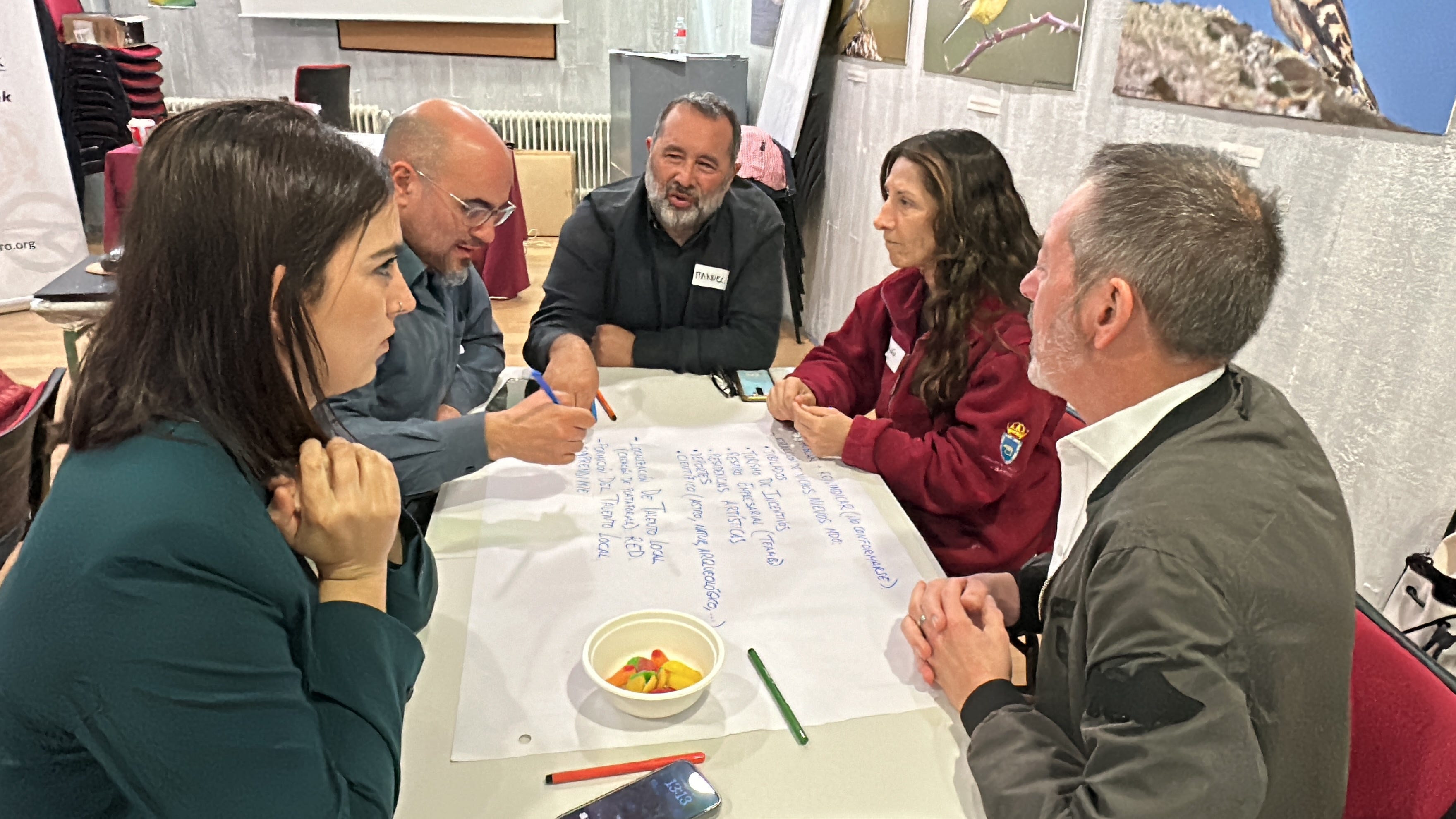
Photo by Beatriz López during a workshop facilitated for AvilAgro members in El Barraco, Valle de Alberche, Ávila
On the other hand, we are often modest and sometimes insecure about our achievements, something rooted in our education (especially if, like me, you’re Gen X). Unless a company has a large budget, small entrepreneurs often struggle to “sell” their projects with confidence. As a result, many beautiful projects remain less known or struggle to gain visibility.
If you’d like to listen to my conversation about this with Charles van de Kerkhof on his podcast Regenerative Change Agents, click on the image below:
4. Bhutan
Of course, I haven’t lived in Bhutan long enough to make a detailed or definitive assessment, but from my observation, Bhutan (and I would dare say the same applies to countries or regions where Buddhism is practised) offers a completely different perspective. Here, regeneration is woven into worldview and culture, deeply influenced by Buddhism.
In my view, going to Bhutan to speak about the importance of nature makes little sense. For them, nature is sacred, life is interconnected, and principles such as non-violence and simplicity are woven into daily life.
To talk about prioritising wellbeing? Again, unnecessary. The country was the first to introduce the Gross National Happiness Index in 1972, under the vision of its fourth king, Jigme Singye Wangchuck, placing wellbeing above GDP.
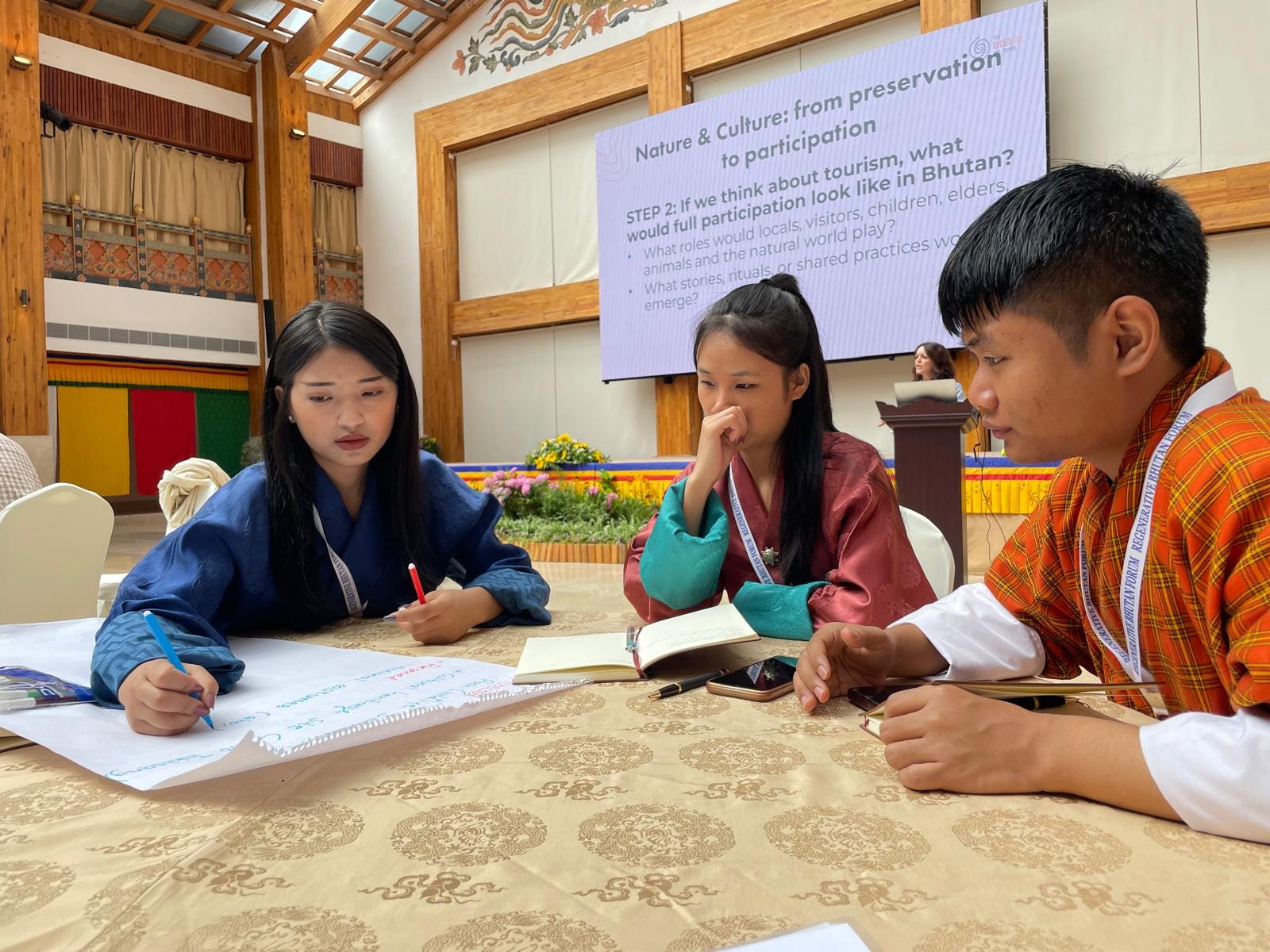
Photo taken during one of the workshops at the Bhutan Regenerative Forum
Yet there is also a paradox, one that repeats in many Eastern countries and across the global south (and which, in a way, we also experience in Spain): the tendency to seek expertise from outside, even when there is already a rich abundance of local wisdom, talent and vision.
Bhutan has educated, creative young people with brilliant ideas.
It also has beautiful projects, such as The Happiness Farm, Mountain Hazelnuts, and my personal favourite, Dhumra Farm Resort—a pioneering farm-resort that focuses on high-end agritourism.
The country—and others in similar situations—has everything it needs to trust its own wisdom while engaging with the wider world. Without feeling the need to adopt Western models or rigid, standardised ways of communicating—“products”, “value chains”, “standards” detached from place—I believe Bhutan can embrace who it already is and proudly show the world what a truly regenerative culture looks like.
Closing reflections
What fascinates me most about regeneration is how universal its principles are (they are nature’s principles, after all) and yet how differently they are expressed depending on culture and worldview. Each place has its own “recipe” for thriving.
For me, this work is about listening deeply, honouring what has been and what already exists, and finding the love that underpins it all. The love of nature. Our own love. And with that, working together towards a shared purpose.
That is where the magic happens: our sense of belonging and agency, trust in our intuition, the richness of diverse knowledge, innovation. The result is vitality and viability in place. Resilience, adaptation and of course, regeneration.
📝 P.S.
🌱 Would you like support in your region to design and facilitate participatory processes?
🌍 Do you want to integrate regenerative principles into your project, organisation or community and learn how to apply them in practice?
🎓 Are you looking for a workshop or personalised coaching to help you navigate the transition towards a regenerative mindset? I am preparing a series of courses and programmes that I am very excited about. I will tell you about it very soon!
✨ Feel free to write to me at sonia@theregenlab.com — I’d be delighted to support you on your journey.
P.S.2: Would you like to subscribe to the Spanish version? Click HERE